
Washington County buyers benefit from looking beyond the list price. Inventory, days on market, condition, financing terms, and the specific location within the county can all shape a home’s real value and the strength of an offer. A focused plan helps buyers recognize opportunities without making rushed decisions.
Start With the Market Signals Behind the Price
Washington County offers a broad mix of housing choices, from established neighborhoods near the St. Croix River to newer construction, townhomes, acreage properties, and lake-adjacent homes. That variety means a countywide headline rarely tells the full story. Two homes listed at similar prices can attract very different levels of interest depending on their condition, updates, lot, maintenance needs, school district boundaries, association structure, and access to major routes and local amenities.
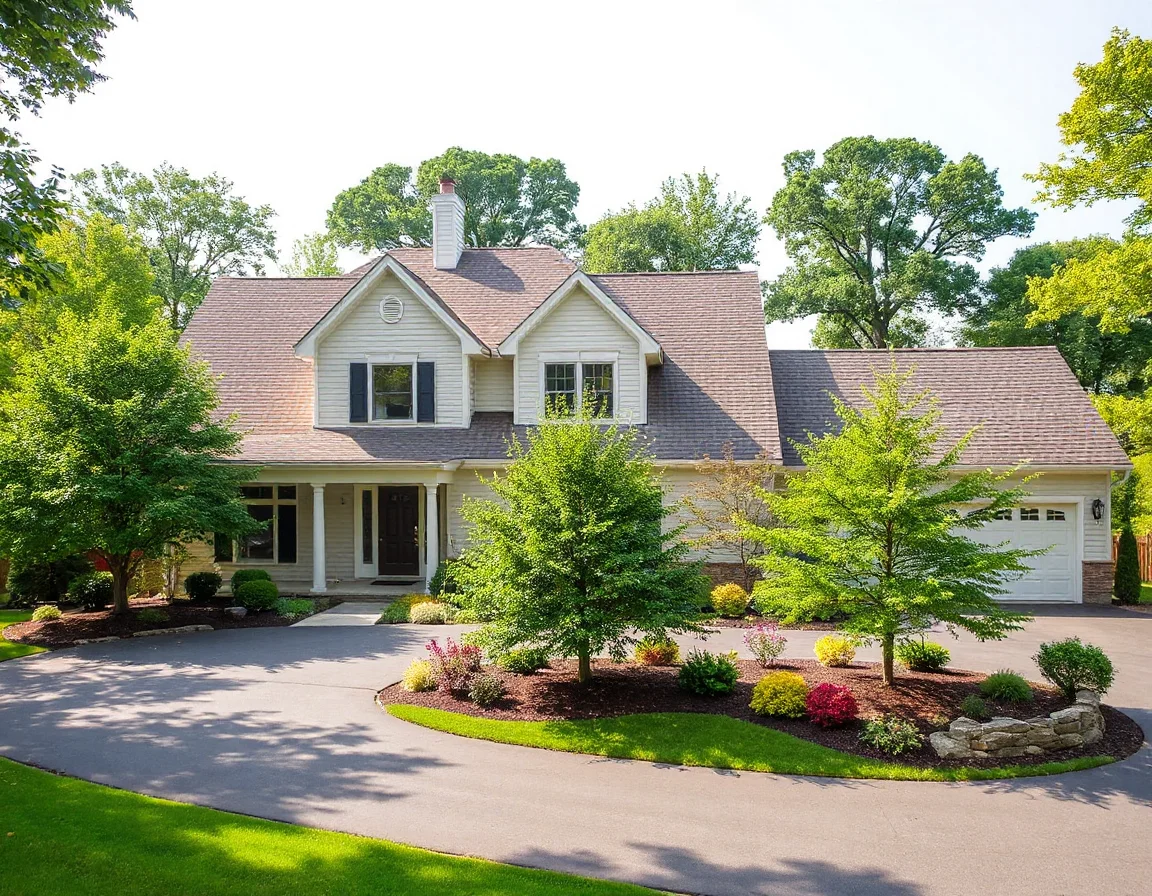
Price is the starting point, not the conclusion. A listing price reflects the seller’s strategy, recent comparable sales, the home’s presentation, and current competition. Buyers should compare a property with homes that have actually closed, not only with other active listings. Active listings show what owners are asking; closed sales reveal what buyers and sellers ultimately agreed upon.
Inventory is equally important. When there are fewer comparable homes available, a well-prepared listing can draw quick attention. When more options are on the market, buyers may have more time to review disclosures, evaluate repairs, and negotiate thoughtfully. Inventory can change from one price range to another, so the conditions for a condominium, a one-level home, or a larger property may not match the overall county trend.
A home that has been available longer is not automatically a bargain. Review price changes, condition, disclosures, and comparable sales to understand whether the opportunity is in the price, the property, or the terms.
It is also useful to watch the relationship between original list price and current list price. A reduction can indicate that a seller is recalibrating to market feedback, but it does not define the home’s value on its own. The best next step is to ask how the revised price compares with recent nearby sales, competing listings, and the home’s documented features.
How Inventory Changes the Home Search
Buyers often experience inventory as a practical question: are there enough homes that meet the basic criteria to make a confident choice? In Washington County, availability can be especially uneven by location, property style, and price point. A buyer seeking a low-maintenance townhome may face a different search than someone looking for a detached home with a larger yard, a property near lake views, or a home with a specific layout.
Rather than treating every new listing as an emergency, create a clear ranking of needs, preferences, and future costs. Consider location, square footage, bedrooms, bathrooms, storage, parking, mechanical systems, exterior condition, taxes, association dues where applicable, and the likely scope of near-term improvements. This framework makes it easier to compare homes when several listings appear at once.
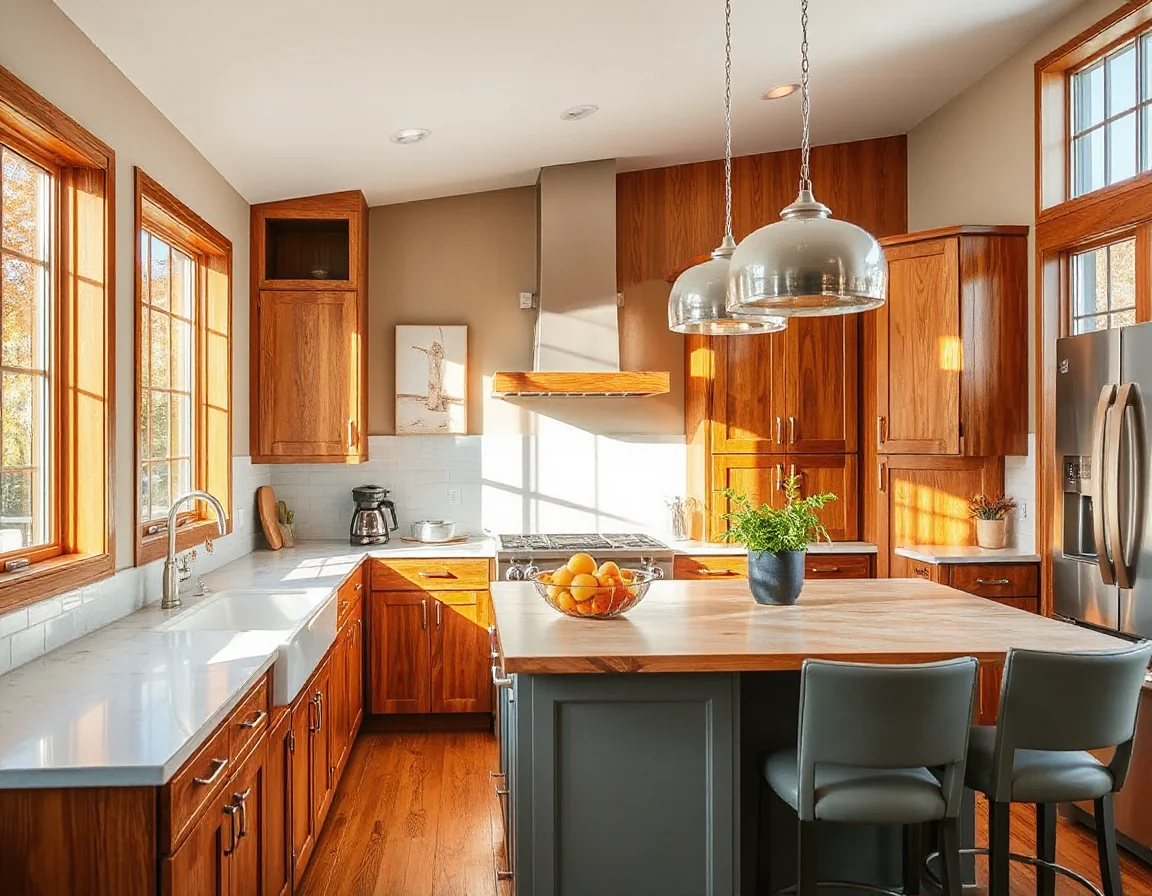
Condition deserves a close look because it affects both budget and timing. Fresh paint and staged rooms may improve a first impression, but buyers should also review the age and maintenance history of major systems, including the roof, heating and cooling equipment, windows, drainage, electrical components, and appliances. A thorough inspection and careful review of seller disclosures can help identify which items are routine upkeep and which may require a larger investment.
Keep Financing Part of the Comparison
Mortgage rates, insurance estimates, property taxes, and association dues all influence the monthly cost of ownership. Before touring extensively, speak with a lender about a realistic price range and loan options, then leave room in the plan for closing costs, moving expenses, repairs, and reserves. A preapproval also gives a buyer clarity about how a price change or a competing offer could affect the budget.
For properties with homeowner associations, request the relevant documents early. Review monthly dues, special assessments, reserve information, rules, rental restrictions if applicable, insurance responsibilities, and upcoming projects. These details can materially affect affordability and should be considered alongside the home’s purchase price.
Learn how to choose a mortgage lender
Read Days on Market With Context
Days on market is one of the most discussed numbers in real estate, but it is most useful when viewed alongside price and condition. A property that receives attention immediately may be accurately priced, especially if comparable homes have sold quickly. A listing that has been available longer may offer more room for discussion, but buyers should first understand why it has not yet gone under contract.
Look at the listing history, any price adjustments, comparable properties that sold during the same period, and homes still available nearby. Then consider the property itself. Does it have a distinctive feature that narrows its buyer pool, such as a steep driveway, an unusual floor plan, deferred maintenance, or an association obligation? Or is it simply competing with newer or more updated homes? The answer can guide both the offer price and the requested terms.
A thoughtful offer does not need to be identical to the list price to be compelling. Closing date, financing strength, inspection approach, appraisal considerations, and the ability to respond clearly to seller timelines can all matter. Buyers should avoid removing protections casually, but they can present clean, understandable terms that make it easier for a seller to evaluate the complete offer.
Use Local Comparisons, Not Countywide Assumptions
Washington County includes communities with distinct housing stock and price patterns, so the most useful comparisons are often nearby and recent. A home in Stillwater may be evaluated differently than a similar-sized home in Woodbury, Cottage Grove, Forest Lake, Hugo, or Lake Elmo because local inventory, lot sizes, amenities, road access, and architectural styles vary. Even within one city, a home’s value can shift based on the subdivision, street setting, updates, and proximity to parks, trails, waterfront areas, or commercial corridors.

When reviewing comparable sales, focus on the details that have the greatest effect on value: location, finished square footage, lot characteristics, bedroom and bathroom count, garage capacity, age, renovation level, and sale date. A sale from several months ago can still be helpful, but it should be adjusted for what has changed in the market and what is currently competing for buyers’ attention.
Buyers can also benefit from visiting an area at different times of day. Observe traffic patterns, parking, access to trails or community facilities, nearby construction, and the practical rhythm of the location. These observations do not replace market analysis, but they can help confirm whether a property fits the buyer’s priorities for daily use and long-term ownership.
The strongest comparable sale is rarely the closest house on a map. It is the recently closed property with the most similar location, condition, layout, and features.
Search Washington County listings
Make a Confident, Informed Next Move
Buying in Washington County is easier when the search is grounded in current information rather than broad assumptions. Watch new listings and recent sales, compare total ownership costs, read disclosures carefully, and be prepared to act when a home aligns with both your budget and your priorities. The goal is not simply to win a contract; it is to make a decision that remains sensible after closing.
Local guidance can help buyers interpret the numbers behind each listing, identify meaningful comparisons, and structure an offer around the property’s actual market position. Whether inventory feels tight or selection is improving, a disciplined approach creates room for better questions, clearer choices, and a more confident path to ownership.