
A private well and septic system can be valuable parts of a Chisago County property, but they deserve careful attention before a purchase agreement is finalized or a home is listed. Understanding the inspection process, available records, repair timing, and lender requirements can help both sides move toward closing with fewer surprises.
Why Well and Septic Details Matter in Chisago County
Many homes in Chisago County rely on private wells and individual sewage treatment systems rather than municipal water and sewer connections. These systems work quietly in the background every day, yet they can become a major part of a real estate transaction when a buyer, seller, lender, or insurer needs documentation. The goal is not simply to “pass” an inspection—it is to understand the current condition of the property’s water supply and wastewater system, identify any required updates, and make decisions with clear information.

For buyers, a private system is an opportunity to ask practical questions before taking ownership: Where are the well, septic tank, drainfield, and reserve area located? When was the system installed? When was it last pumped, serviced, or inspected? Are permits, diagrams, maintenance records, or water-test results available? These records can provide useful context, although an inspection remains important because conditions can change over time.
Sellers benefit from answering those questions before the listing goes live. Locating records early allows time to address missing paperwork, schedule a pumping or inspection if appropriate, and plan for any repair work without the pressure of a closing deadline. A well-organized property file also makes it easier for prospective buyers to understand the home’s systems and compare the full costs of ownership.
The best time to investigate a well or septic question is before negotiations begin. Scheduling, weather, soil conditions, contractor availability, and permit review can all affect the timeline.
Requirements can depend on the property location, the nature of the sale, the type of system, and the rules applied by local authorities. Chisago County and Minnesota standards may change, and a lender can have separate documentation expectations. A qualified licensed inspector, septic professional, well contractor, county environmental health staff member, and real estate professional can each play a different role in helping clarify what applies to a specific address.
What a Septic Inspection May Review
An individual sewage treatment system inspection generally looks at whether the system can be located, whether it appears to function as intended, and whether it meets the applicable requirements for the transaction or permit process. The inspector may review the septic tank, alarm components when present, pump tanks, distribution equipment, drainfield area, visible surfacing, setbacks, and available records. Access matters: buried lids, dense landscaping, parked vehicles, or snow cover may add time and cost or limit what can be evaluated.
It is helpful to distinguish between routine maintenance and a compliance evaluation. Pumping removes accumulated solids from a tank and is an important maintenance task, but it does not automatically establish that every component complies with current standards. Likewise, an older system may be functioning but still require further review if there is a transaction-specific compliance requirement or evidence of a concern.
Common issues include damaged or inaccessible tank covers, electrical or alarm problems, insufficient separation from water sources, drainage concerns, components that need repair, and systems nearing the end of their service life. None of these findings should be treated as a reason for assumptions. The inspection report should describe the concern, the next step, and whether a contractor, designer, or county office should be consulted.
- Ask for the system location: Confirm the tank, drainfield, and any reserve area before planning additions, landscaping, sheds, patios, or driveway changes.
- Request service history: Pumping receipts and repair invoices can help show how the system has been maintained.
- Read the complete report: Focus on recommended actions, deadlines, and whether the inspector could access all relevant components.
- Budget for the full scope: Repairs can involve design, permits, excavation, restoration, and seasonal scheduling—not just a single service visit.
For sellers, completing an inspection before listing can provide a clearer starting point for pricing and disclosures. For buyers, an inspection contingency and a review period can offer a structured way to understand the report and negotiate responsibly. The specific contract language and deadlines should be reviewed carefully with the professionals involved in the transaction.
Search Chisago County listings
Private Well Testing: Looking Beyond the Pump
A well inspection and a water-quality test are related but different steps. A visual or functional review may consider the condition of the well cap, casing, visible components, pressure equipment, and site conditions near the well. Water testing examines the quality of water drawn from the system at the time of collection. Depending on the property and transaction, tests may address bacteria, nitrate, arsenic, manganese, lead, or other constituents identified by local guidance, lender standards, or the parties’ agreement.
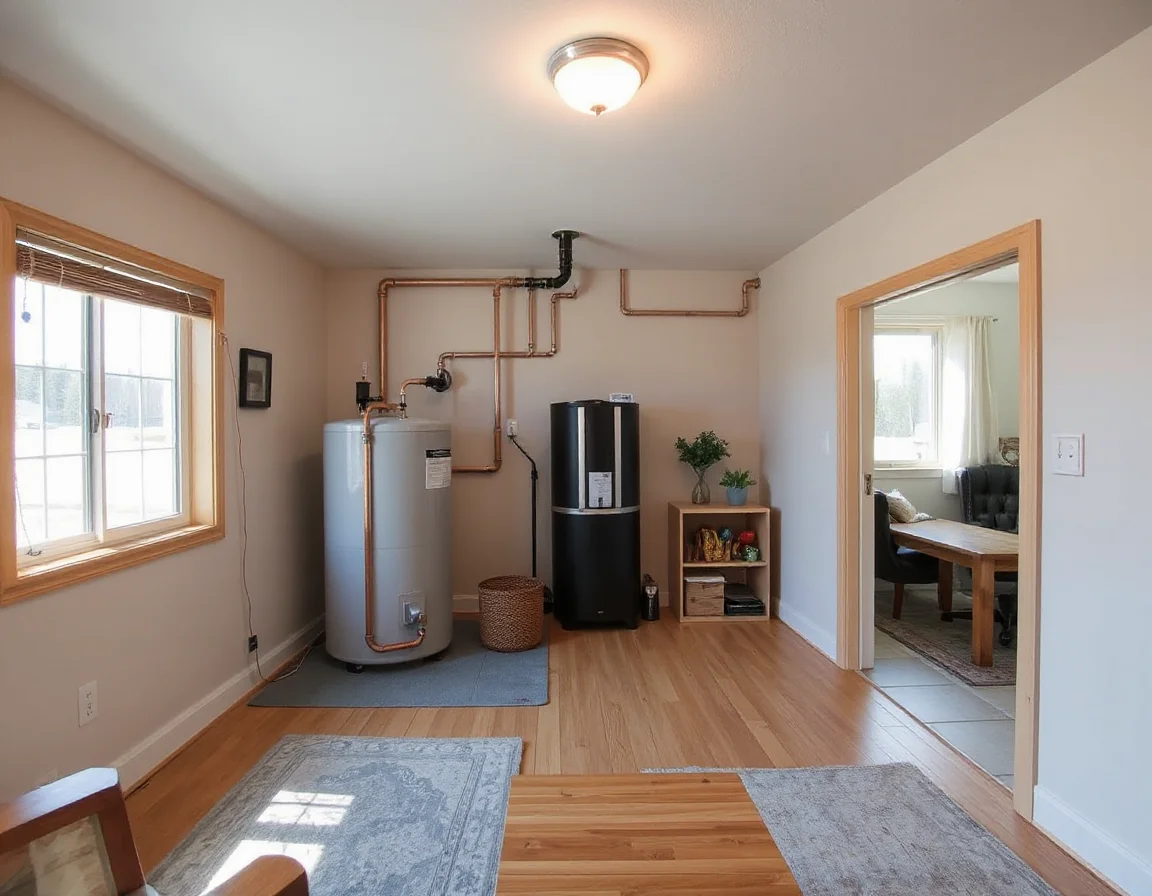
Water results should be interpreted in context. A result outside a recommended level does not always mean a property cannot be purchased or sold, but it does mean the parties should understand the finding, possible treatment options, retesting procedures, and related costs. Some concerns may be addressed with a treatment system, repairs to the well, or additional evaluation. A qualified water professional or local health authority can help explain appropriate next steps.
Timing is particularly important. Water samples must be collected and handled according to laboratory directions, and results are not immediate. In colder months, access to exterior components can be more difficult; after heavy rain or significant seasonal changes, site conditions may also look different. Building adequate time into the purchase agreement can make the process less stressful and reduce rushed decisions.
A buyer should also ask about water treatment equipment already in the home. Softeners, filtration systems, reverse-osmosis units, and iron-removal equipment can be helpful, but they require maintenance. Clarify whether equipment is owned or leased, what supplies or service are needed, and whether current records are available. Sellers can prepare by labeling equipment, gathering manuals, and identifying shutoff locations.
A Practical Plan for Sellers and Buyers
Sellers: start by collecting permits, septic designs, well records, service invoices, prior water tests, and information about treatment equipment. Consider whether a pre-listing inspection will make the home easier to present and whether any recommended work should be completed before marketing. If a repair is necessary, obtain written estimates and keep documentation for the final work. Clear, factual disclosures allow buyers to evaluate the property without guesswork.
Buyers: include due-diligence steps in the timeline early. Review the disclosure, request available records, identify the professionals who will conduct inspections and testing, and ask how long results may take. If reports identify concerns, compare the available options: repair before closing, a credit or price adjustment where appropriate, an escrow arrangement if permitted, or further specialist evaluation. The right path depends on the report, the contract, financing terms, and each party’s priorities.
A private well and septic system are long-term property features, not just closing checklist items. Knowing their locations, maintenance needs, and records helps owners make better decisions long after move-in day.
Market preparation is also about setting expectations. A property with complete documentation, accessible system components, and a realistic plan for any known work is often easier to evaluate than one where important questions appear late in the process. That transparency can support more focused negotiations and a smoother route to closing.
If you are preparing to sell in Chisago County, a local pricing and marketing strategy should account for the home’s full condition, including major systems and available records. Buyers should similarly consider system maintenance alongside taxes, insurance, utilities, and the home’s overall condition when estimating ownership costs. Careful preparation does not eliminate every surprise, but it gives everyone a stronger foundation for making an informed move.