
Effective staging is not about making a Ramsey County home look generic—it is about helping buyers quickly understand its space, condition, and everyday potential. A few focused updates, thoughtful furniture placement, and listing-ready photos can make a home feel more polished before the first showing begins.
Start With a Clear, Buyer-Focused First Impression
Home staging works best when it supports the features buyers are already looking for: usable rooms, natural light, storage, flexible layouts, and a well-maintained appearance. In Ramsey County, where listings can range from classic city homes and townhomes to suburban properties with larger yards, the goal is not to erase a home’s character. It is to make the layout easy to read in photos and easy to experience during a showing.
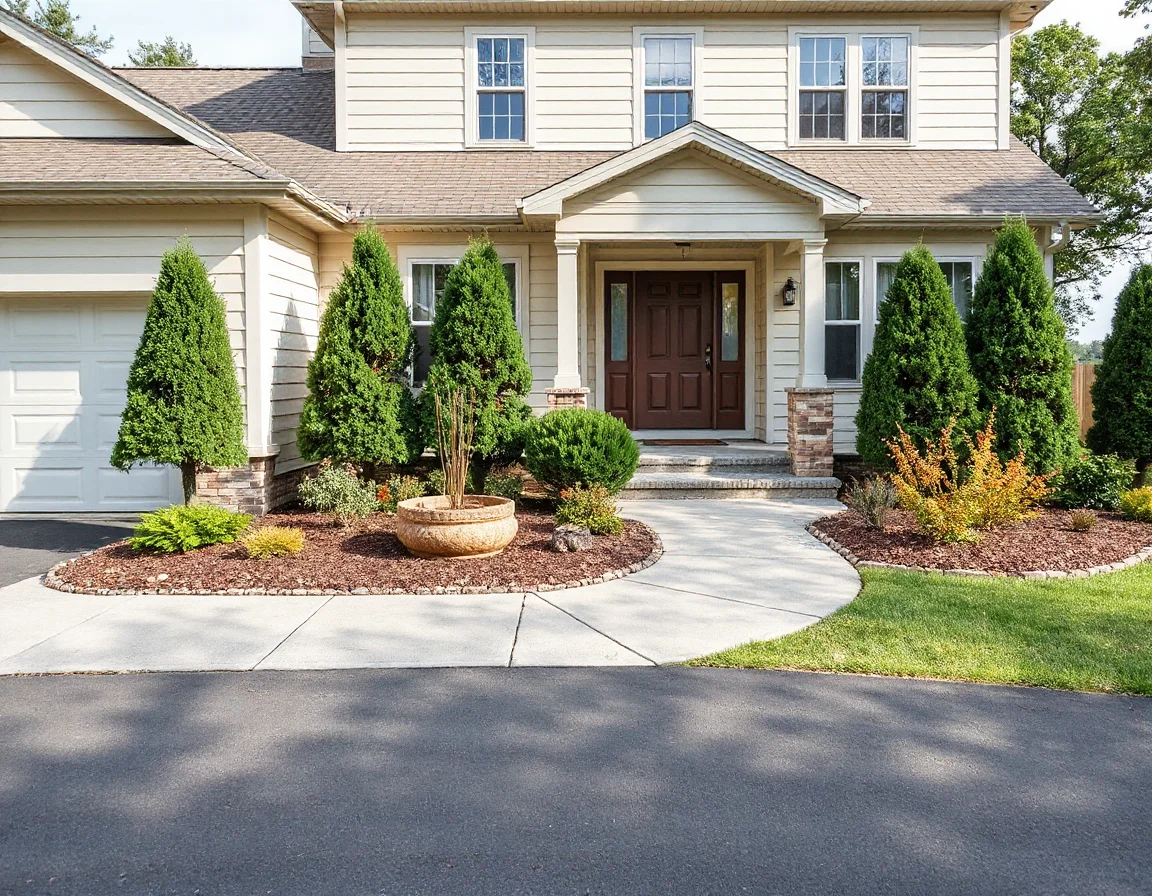
Begin outside. Buyers form an opinion before they reach the front door, so the entry should feel cared for and uncomplicated. Clear leaves, branches, and winter debris from walkways; straighten house numbers; replace a worn welcome mat; and make sure exterior lighting is working. In warmer months, fresh mulch and trimmed plantings can sharpen the presentation. In snow season, a cleared path and a visible front entry are especially important for both access and curb appeal.
Inside, remove anything that interrupts the eye: excess furniture, crowded shelving, stacks of paper, visible cords, and personal collections that compete with the architecture. This does not mean every room needs to feel empty. A room with just enough furniture to show its purpose often feels larger and more useful than one packed with seating, storage, and decor.
Walk through the property as though you are seeing it for the first time. Is the route from entry to living room obvious? Can someone open closet doors without navigating around a chair? Does a spare room clearly communicate whether it functions as an office, guest room, hobby room, or exercise area? Buyers can imagine possibilities more easily when each space has a simple, intentional role.
The most valuable staging change is often subtraction: removing one oversized piece, clearing one crowded counter, or opening one blocked window can materially improve how a room photographs and feels.
Prioritize Light, Clean Surfaces, and Functional Rooms
Light is one of the strongest tools available before listing. Open blinds and curtains, clean interior and exterior window glass, and replace burnt-out bulbs with matching warm-white bulbs where appropriate. Avoid mixing very cool and very warm bulbs in the same open-concept area; inconsistent lighting can make online listing photos feel disjointed. If a room has limited daylight, add lamps to darker corners instead of relying on one overhead fixture.
Kitchens and bathrooms deserve particular attention because buyers often evaluate maintenance and update needs in these rooms first. A full remodel is not always necessary before a sale. Deep cleaning grout, polishing fixtures, repairing caulk lines, decluttering counters, and replacing visibly worn hardware can create a more finished impression at a manageable cost. Clear the refrigerator surface, put small appliances away, and leave only a few purposeful items on counters.
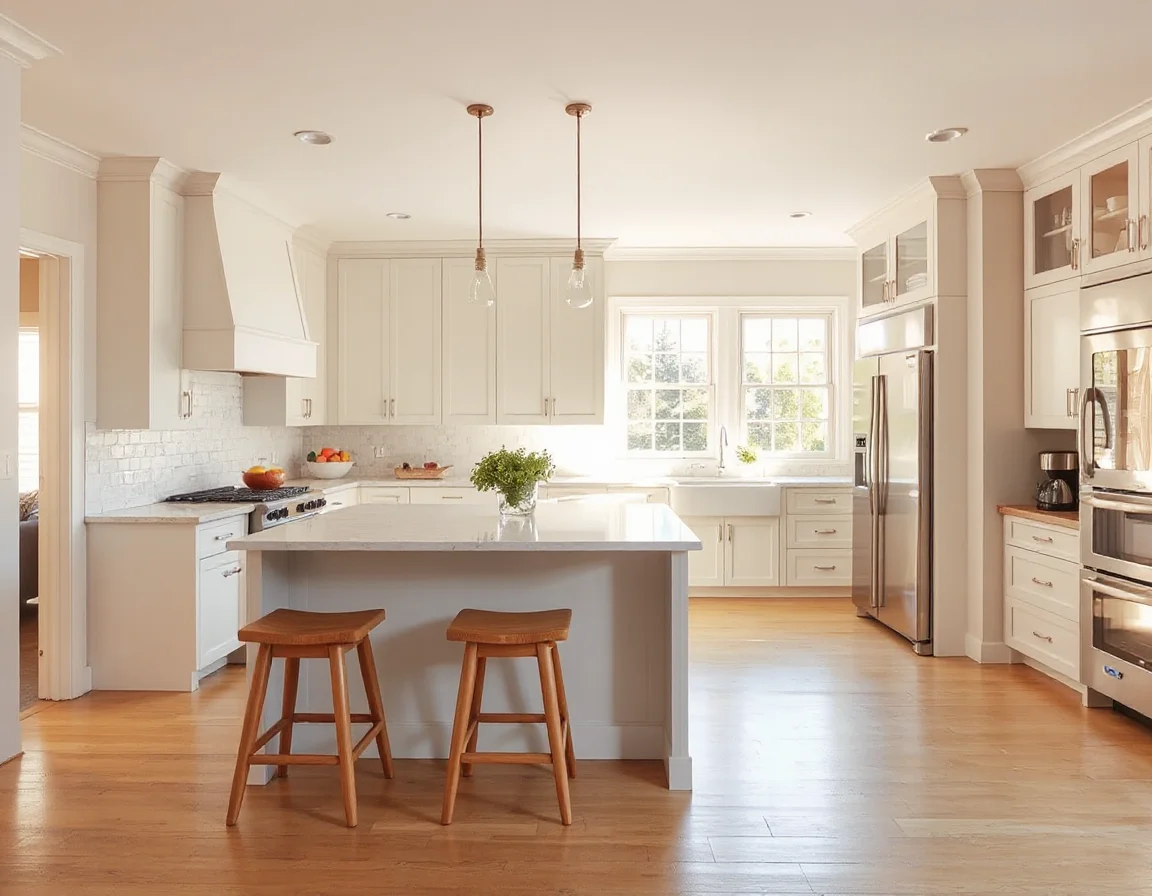
In living areas, arrange seating to define the room without closing it off. A rug can anchor a conversation area, while a coffee table, side table, and a few coordinated pillows add dimension without creating visual noise. If a room is unusually shaped, staging can be especially helpful: a small desk may demonstrate a work zone, while a reading chair and lamp can make an alcove feel purposeful rather than awkward.
Bedrooms should feel restful and spacious. Use neutral bedding, keep surfaces mostly clear, and remove extra furniture that narrows walkways. Closets matter, too. Buyers understand that closets are used every day, but tightly packed shelves and floors make storage look limited. Editing clothing, shoes, and bins before photography can help communicate capacity without changing the closet itself.
For homes with finished lower levels, porches, decks, or patios, show the practical value of those spaces. A lower-level room can be staged as a media area, office, or flexible recreation space. Outdoor furniture should be clean, appropriately scaled, and placed to make the area look usable. Even a compact patio can feel inviting with a pair of chairs and a small table.
Make Repairs Before They Become Buyer Questions
Staging and maintenance go hand in hand. Cosmetic improvements cannot compensate for a dripping faucet, sticking door, damaged screen, loose handrail, or stained ceiling. Before scheduling photography, create a room-by-room repair list and address the small items buyers may notice during a showing. These details influence whether a property feels move-in ready or like it may require more work than expected.
Focus first on visible condition: touch up chipped paint, patch nail holes, tighten loose cabinet pulls, and replace cracked switch plates. Then check systems that affect comfort and confidence, such as smoke and carbon monoxide detectors, HVAC filters, gutters, and exterior drainage. If there is a feature that requires explanation or service, discuss it with your real estate professional early so the listing strategy can account for it appropriately.
Photography should happen after cleaning, decluttering, and final touch-ups—not while projects are still underway. A strong first set of photos gives the listing its best opportunity to earn attention when it first reaches the market.
It is also wise to avoid over-improving based on a generic checklist. A major project may not produce the same return in every Ramsey County location, price range, or property type. Consider the condition of competing listings, the likely price range, and the work buyers may reasonably expect. A local pricing and marketing strategy can help identify which improvements are worth doing now and which should simply be reflected in the price and presentation.
Get a free home value and listing-prep consultation
Stage for Listing Photos, Showings, and the Offer Process
Professional listing photos are frequently a buyer’s first interaction with a home, but in-person preparation matters just as much. Before each showing, open window coverings, turn on selected lights, adjust the temperature to a comfortable level, and secure valuables and medications. Keep pet supplies, litter boxes, food bowls, and bulky cleaning items out of sight when possible. These steps help visitors focus on the property rather than daily routines.
Scents should be subtle or absent. Heavy candles, air fresheners, and strongly scented cleaning products can distract from the home itself. Fresh air, clean textiles, and a recently cleaned kitchen and bath generally communicate care more effectively than fragrance. Similarly, soft background music is optional; the property should be able to speak for itself.
A well-staged home does more than create attractive photos. It can support accurate expectations, reduce distractions during showings, and help buyers compare the home’s strengths with other available properties. Pairing that preparation with thoughtful pricing, complete property information, and a responsive showing plan puts sellers in a stronger position when interest begins to build.
Whether your home needs a few targeted edits or a more comprehensive pre-listing plan, start with the improvements that make its value easiest to see. Careful preparation can make every room work harder—from the first online photo to the final walk-through.